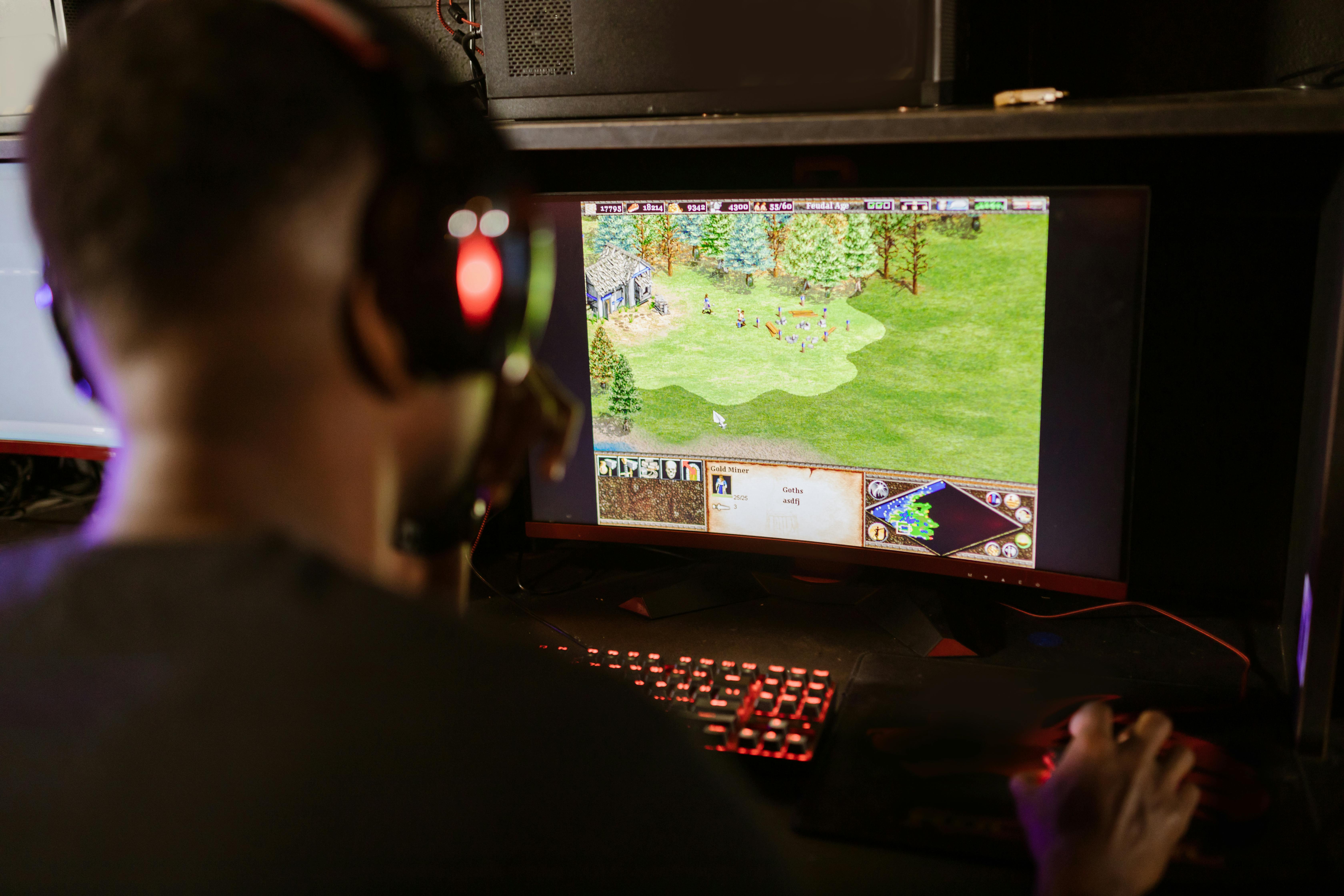
The landscape of online gaming has undergone significant transformations over the decades, advancing from simple text-based interfaces to ultra-realistic, immersive experiences. As technology continues to evolve, online gaming platforms have adapted to offer more sophisticated graphics, enhanced interactivity, and expansive virtual worlds. This evolution has been driven by technological advancements, changing player expectations, and the increasing popularity of digital gaming as a mainstream entertainment form.
The Dawn of Online Gaming
Online gaming’s origins can be traced back to the early days of the internet, where simple text-based games were played on large mainframe computers. These early games were primarily multiplayer experiences that allowed users to interact in virtual environments. As technology advanced, the introduction of graphics and sound brought a new dimension to gaming, making it more engaging for players. During this era, platforms focused on:
- Text-based interfaces
- Basic multiplayer functionality
- Simple graphics and sound
Transition to Graphical Interfaces
The rise of personal computers and improved processing power in the late 20th century marked a significant turning point in online gaming. With the advent of graphical user interfaces, games became more visually appealing and accessible to a wider audience. This period saw the launch of many beloved classic games that set the foundation for future developments. To explore advanced guides and tips, explore advanced guides and tips on leveraging these early technologies for modern applications.
The Expansion of Online Multiplayer Games
The early 2000s heralded a new era for online gaming platforms, characterized by the widespread adoption of broadband internet. This facilitated smoother, faster, and more reliable connections, enabling the rise of massively multiplayer online games (MMOs). These games allowed thousands of players to interact simultaneously in expansive virtual worlds. Key features of this era included:
- Enhanced multiplayer capabilities
- Rich, immersive virtual worlds
- Persistent game environments
Players today can discover expert strategies here for navigating these intricate virtual spaces and enhancing their gaming experiences.
Social and Mobile Gaming Revolution
The late 2000s and early 2010s saw the rise of social and mobile gaming, expanding the reach of online gaming platforms. Social media integration and smartphone proliferation allowed players to engage with games on-the-go, leading to a surge in casual gaming. This shift opened the doors for a broader demographic to participate in online gaming, beyond the traditional gamer profile. Interested individuals can learn about our tailored solutions for harnessing these platforms’ potential.
Modern Innovations and Future Prospects
Today, online gaming platforms are at the forefront of cutting-edge technology, incorporating augmented reality (AR) and virtual reality (VR) to offer even more immersive experiences. Cloud gaming services are also emerging, allowing players to stream games without needing high-end hardware. Current trends indicate:
- Integration of AR and VR technologies
- Cloud gaming services gaining traction
- Increased focus on cross-platform play
For those looking to stay ahead, find out more about this approach to adopting the latest innovations in gaming technology.
Conclusion
The evolution of online gaming platforms reflects a broader trend towards increased technological sophistication and accessibility. As developers continue to push the boundaries of what is possible, these platforms will undoubtedly continue to offer richer, more engaging experiences for players around the world. Embracing these changes is essential for anyone looking to thrive in the ever-evolving world of online gaming.